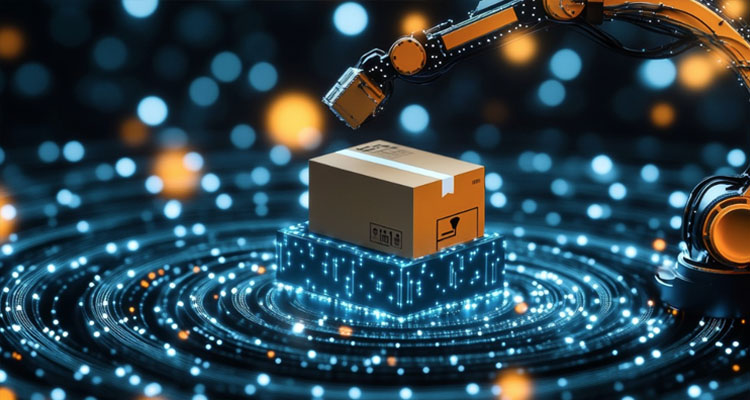
That’s the value of returned and unsold inventory in the global retail industry. In India, it is close to $75 billion. As the volume and value of returns increase, retailers cannot afford to ignore it as a cost of doing business. Blubirch helps retailers and OEMs reduce the impact of returns and unsold inventory by offering alternatives to returning the product, and minimizing costs by efficient management of the reverse supply chain.
With AI reshaping industries worldwide, the role of AI in reverse supply chain is becoming more critical than ever, given its massive potential to transform the way returns are managed. That said, the reverse supply chain is several times more complex than the forward supply chain. The returns management ecosystem covers the processes of returns initiation, approval, logistics co-ordination, testing, grading and the final disposition decision. At every step of this process, AI is used to reduce returns and decrease the costs of managing the returns.
The following are specific ways in which Blubirch is deploying AI in its Returns Management Software:
AI-enabled Returns Initiation Automation process enables a smooth and delightful customer experience and reduces revenue leakage. AI-enabled chatbots guide the customer through the returns journey and it also prevents revenue leakage by offering customers alternatives to returning the product such as store credit, discounts, exchanges or free of cost repairs.
The best point to stop a return from happening is when the customer is purchasing the product. We can use past data to predict returns based on non-identifiable historical data based on aggregate behaviour and product-specific history. AI is used to enable customer-specific returns policy dynamically so that a good customer get a generous returns policy while a customer who returns often gets a more restrictive returns policy. Agentic models can be deployed for automatic approval or rejection of returns authorization. These agents get better over time with more data. In addition, AI-powered chatbots are already being used by large e-commerce platforms to help customers have a smooth and delightful experience in the returns process.
Just in the US alone, retailers lose about $103 billion due to fake returns or fraudulent claims. This is a significant problem in the reverse supply chain. AI is used to identify such claims based on many parameters based on the history of fraudulent claims. These parameters include Zip Code from which the claim is made, the dealer or service centre from which the claim originates, or date on which the claim is made and several more.
An item that is returned is tested and graded to determine the next best action. This action can range from return to the vendor, to insurance, to restocking, to e-waste to selling in the secondary market. AI is used to automate several of the tests, including identifying and annotating dents and scratches to functionality. It further grades the product based on the results of the test, maintaining consistency of grading and resulting disposition decisions. The consistency of decision and the audit trail prevents leakages in revenue that otherwise happens due to misgrading and the wrong disposition decision.
Accurate grading of returned products enables transparency on the condition of the product to secondary market buyers. These buyers buy these products and resell them down the value chain in lower-tiered markets, promoting sustainable recommerce and value for money to the end customer.
In conclusion, AI is transforming the reverse supply chain by making processes more efficient, cost-effective and customer-centric. As organizations continue to adopt AI technologies, AI in reverse supply chain will play a vital role in achieving operational efficiency and sustainability goals.

Large mobile retail chain struggling with trade-in program
Blubirch became the first ever Indian company to become one of the top 3 providers of reverse...
12th Apr 2023 • 8 min
Creating sustainable value in reverse supply chain
Blubirch became the first ever Indian company to become one of the top 3 providers of reverse...
12th Apr 2023 • 8 min
How manual returns management process for an OEM functions?
Blubirch became the first ever Indian company to become one of the top 3 providers of reverse...
12th Apr 2023 • 8 min
How technology brings transparency to the reverse inventory supply chain
Blubirch became the first ever Indian company to become one of the top 3 providers of reverse...
12th Apr 2023 • 8 min

 Linkedin
 Twitter
 Facebook
 Email
Email